How much data does Waze use on Android and iOS
Waze usually uses very little data for navigation, but the exact amount depends on how long you drive, how often the app refreshes traffic data, and whether you keep it running in the background.
If you use Waze for everyday driving, the app usually doesn’t burn through much mobile data. In many cases, the bigger issue is not Waze itself but everything around it: background refresh, map zooming, searches, rerouting, and how long you leave it open.
Waze does not need huge amounts of data for basic turn-by-turn navigation. But it also isn’t an offline app. If you lose connection, some parts keep working for a while, while live traffic updates, reroutes, and many road reports become less useful or stop working altogether.
Quick Answer
Waze typically uses a small amount of data for normal navigation, often around 1–2 MB per hour in light use, but that number can move around based on traffic updates, rerouting, map activity, and background use. If you drive a lot every day, the monthly total can still add up.
You can reduce usage by keeping Waze out of the background, avoiding unnecessary map zooming and searches, and checking your phone’s data settings. If you need true offline navigation, Waze is not the best choice.
Table of contents
What Waze data usage depends on
You can’t pin Waze data use to one exact number. The app pulls map tiles, traffic updates, route changes, and user reports as you drive, so usage changes from one trip to the next.
A few things that usually affect it:
- the length of your trip
- how often Waze recalculates the route
- the number of traffic events on the road
- how much you zoom around the map or search for places
- whether the app is left running in the background
- your phone’s data-saving settings
- the app version and region you’re using
That’s why any “exact” number should be treated as a rough estimate, not a guarantee.
What is the average data usage?
For light navigation, Waze is usually fairly modest. A common estimate is around 1 MB per hour, though real usage can be higher if you keep the app open, change routes often, or spend time looking around the map.
That means a short commute may use very little data. A long daily driving schedule can add up over a month, especially if Waze stays active in the background.
Comparing Waze to other navigation apps
Waze usually uses less data than Google Maps in simple navigation, but the difference is smaller than people expect once you start using traffic layers, rerouting, and map browsing.
Here is a rough comparison:
| App | Data Usage | 1GB Lasts |
|---|---|---|
| Waze | 1MB/hour | 1000 hours |
| Google Maps | 2MB/hour | 500 hours |
| Apple Maps | 6MB | 166 hours |
These are rough figures, not fixed limits. Actual usage depends on app version, trip length, and how actively you use the map.
Waze vs Google Maps data usage
Google Maps often uses a bit more data than Waze during regular navigation, especially if you use satellite imagery, place searches, or extra map layers.
As a rough estimate, Google Maps can use about 2 MB per hour, while Waze is often closer to 1 MB per hour in light use.
That said, the gap is not always dramatic. If you constantly zoom in, search for stops, or let either app keep recalculating routes, data use goes up.
Does Waze use more data than Google Maps?
Usually, no. Waze often uses a little less data than Google Maps for basic driving directions.
But that doesn’t mean Waze is always the lighter app in every situation. If you use Maps mostly for basic directions and Waze with lots of live road updates, the difference can shrink fast.
How much data does Waze use while driving?
For a short drive, Waze usually uses very little mobile data. A one- or two-hour trip may stay under a few megabytes, depending on how much the app refreshes the route and how actively you use the map.
The longer and more interactive the trip, the more data you’ll use. Frequent rerouting, traffic events, and searches all push the number up.
How much data will I get?
If you only use Waze now and then, the monthly total is usually low.
For someone using the app about 1–2 hours a day, total mobile data use may stay around 50–100 MB per month in light use. That can be higher if you drive more, keep the app open, or rely on it in busy traffic where it refreshes more often.
If you use GPS navigation for several hours every day, 1 GB may not go very far.
At the same time, if you spend about 5 hours a day on GPS navigation, 1 GB may not be enough, especially if other apps are also using mobile data.
Can I use Waze without internet?
Not fully.
Waze can still show some map information for a while, but it is not built for true offline navigation. Once the connection drops, live traffic updates, incident reports, alternate routes, and some map features become limited or unavailable.
So yes, Waze may keep parts of the route visible for a short time, but it is not the same as having proper offline maps. If offline navigation matters to you, a dedicated offline app is a better fit.
Is it possible to reduce Waze data usage?
Yes. You can lower data usage a bit by keeping the app from running in the background and trimming down unnecessary features.
- It is best to turn off Waze completely after using it so the app isn’t still active in the background. Tap Stop in the menu and close the app.
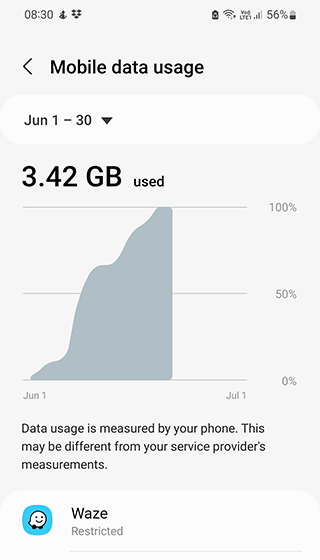
On Android, you can also go to Settings > Connections > Data usage > Mobile data usage > Application data usage > Waze.
Change Background data usage to Off.
- Check Waze settings and disable features you don’t need.
Go to Settings > Map display:
- Show wazers - Off
- Show data - Off
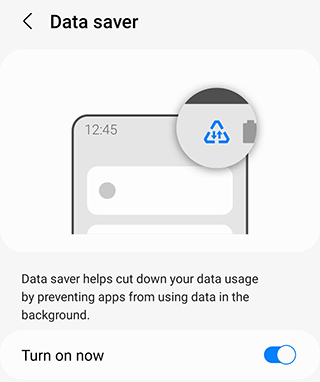
- Use your phone’s data saver settings if they help on your device.
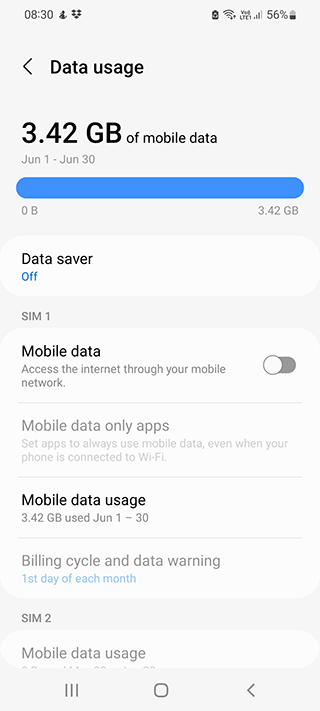
Go to Settings > Connections > Data usage.
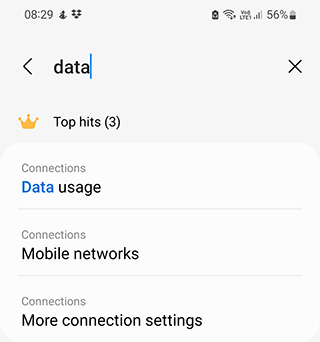
- Turn on Data saver if your phone supports it.
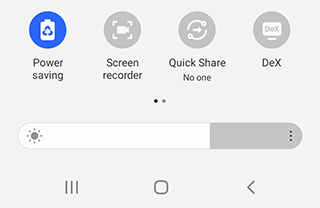
- In Waze Settings > Battery saver, toggle Ask before turning on to On.
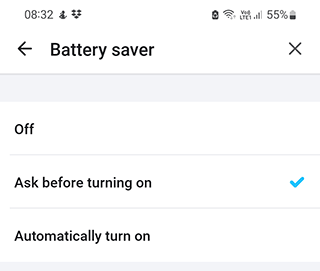
These steps won’t make Waze offline, but they can cut down some background activity.
Why is Waze data usage sometimes higher?
Waze depends on the internet for traffic reports, route changes, and map updates. When traffic is heavy or your route keeps changing, the app has more to fetch.
Data use can also rise if you keep searching for places, zooming in and out, or leaving the app open after the drive ends.
How can I check Waze data usage?
The easiest way is to check your phone’s app data settings.
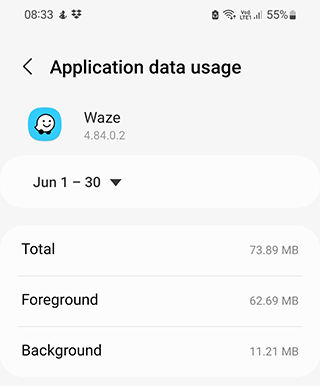
On Android: go to Settings > Connections > Data usage > Mobile data usage > Application data usage > Waze. Look at:
- Total data usage
- Foreground data usage
- Background data usage
On iPhone, you can check per-app mobile data in Settings > Cellular, then scroll to Waze.
If you want a better estimate, check the number before and after a few drives rather than trusting a single trip.
Can I turn off data usage in Waze?
Not completely. Waze needs an internet connection for the parts most drivers actually use: traffic updates, rerouting, and live road reports.
What you can do is limit background activity through your phone settings and avoid leaving the app open when you’re done.
FAQ
Does Waze use a lot of data?
Usually no. For basic navigation, Waze tends to use a small amount of data. The total goes up if you drive a lot, keep the app open, or use it heavily in traffic.
Does Waze work offline?
Not fully. It may keep some route information visible for a short time, but traffic updates, rerouting, and many live features need an internet connection.
Is Waze better than Google Maps for low data use?
Often yes for basic driving directions, but the difference is not huge. Once you start using live traffic and extra map activity, both apps can use more data.
How much data does Waze use per hour?
A common estimate is about 1 MB per hour in light use, though actual usage can be higher depending on route changes, traffic, and background activity.
Does Waze use more data on Android or iPhone?
Usually the difference is small. The bigger factors are your settings, app version, and how you use the app, not the phone platform itself.
Can I make Waze use zero mobile data?
No, not if you want normal navigation features. You can reduce usage, but Waze still needs internet access for traffic and route updates.
How can I stop Waze from using data in the background?
On Android, use your phone’s data usage settings to turn off background data for Waze. On iPhone, you can restrict cellular data for the app in Settings > Cellular.
Related guides
More useful articles from the Waze Guides & Troubleshooting topic.
- Does Waze Work Offline?
Learn how Waze works offline on Android and iOS. Understand what you can cache, how to prepare routes in advance, native cache-clearing methods, and when to use true offline alternatives like Google Maps or HERE WeGo.
- How to Change Waze Voices: Official, Funny, and Custom Voice Packs
Learn how to change the voice in Waze on iPhone and Android, what voice packs are still available, how custom voices work, and what to do if a voice pack doesn’t show up.
- How to Access and Use Waze Satellite View
Waze does not offer a true satellite map layer. Here’s what that means in practice, how to check alternative apps like Google Maps and Apple Maps, and the fastest way to get satellite view when you need it.
- Waze Error Calculating Route: Why Waze Can’t Find Your Route and How to Fix It
Waze can’t find a route or shows “error calculating route”? Learn how to fix routing errors step by step: internet, GPS, long trips, app bugs and more.
- How to Add Your Business Location on Waze Map: Complete Setup Guide
Step-by-step instructions for Android or iPhone on how to add business to Waze and create a business listing on the Waze map
About MyGpsTools Editorial Team
MyGpsTools publishes practical guides about GPS apps, maps, navigation tools, EXIF photo metadata, satellite imagery, Android Auto, Apple CarPlay, ZIP code maps, and location-based technologies. We focus on clear instructions, practical checks, official documentation, and reader feedback.