How to Protect Your Home With Smart Security Technology in 2026
A practical guide to modern home security — from camera systems and smart locks to AI-powered monitoring. Includes real costs, setup tips, and common mistakes to avoid.
The average home burglary takes under 10 minutes. Most burglars avoid homes with visible security systems entirely. That's the math behind modern home protection — visible deterrence combined with rapid detection makes your property a harder target than the next one.
Here's what actually works in 2026, what's overhyped, and how to build a system that fits your budget.
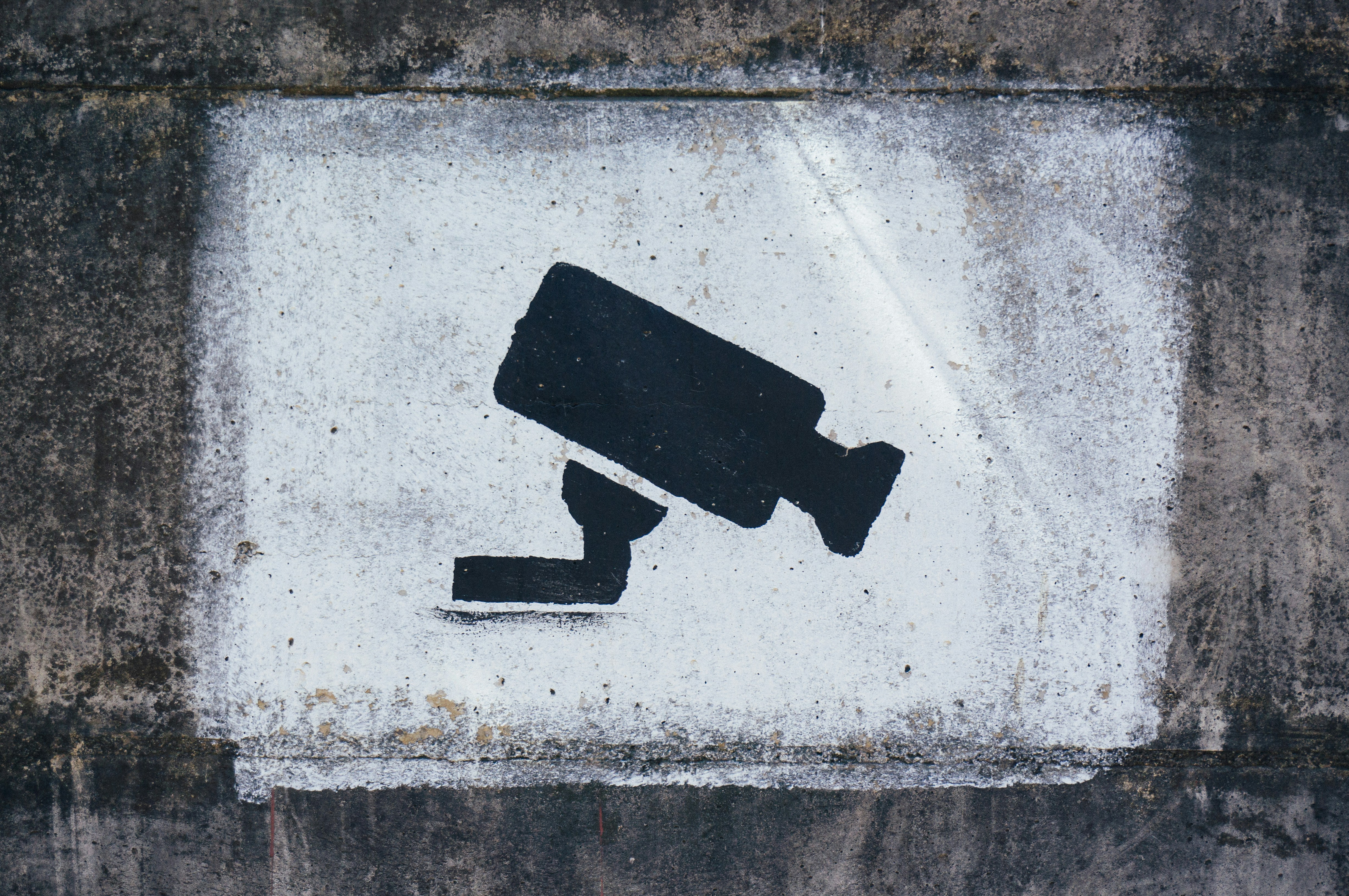
Video Surveillance: What Matters and What Doesn't
Forget megapixel marketing. A 1080p camera with good night vision and reliable cloud storage beats a 4K system that crashes weekly. Here's what to prioritize:
Essential features:
- Wide dynamic range (WDR) — handles bright backlighting without blowing out faces
- Local and cloud storage options — local SD cards fail; cloud-only fails during internet outages
- Motion zones — reduce false alerts from trees, cars, and pets
- Two-way audio — lets you challenge someone or give delivery instructions
Skip these gimmicks:
- Facial recognition (unreliable in real conditions, privacy concerns)
- "AI-powered" detection that's really just motion sensing with marketing
- Proprietary systems that lock you into expensive subscriptions
Budget around $150–300 per quality outdoor camera (Reolink, Eufy, or Amcrest offer solid options). Professional monitoring adds $15–30/month but isn't necessary if you're comfortable self-monitoring through mobile apps.
A well-placed camera system provides genuine protection from theft — studies show visible cameras reduce break-in attempts by 50% or more.
Smart Locks and Access Control: Beyond the Hype
Biometric locks sound futuristic, but fingerprint readers struggle with wet or dirty hands — frustrating when you're carrying groceries in the rain. For most homes, a quality smart lock with PIN codes and phone-based entry works better.
What actually makes sense:
- Keypad entry with temporary codes (give cleaners or contractors a code that expires)
- Auto-lock timers (no more "did I lock the door?" anxiety)
- Integration with your camera system (see who's at the door before unlocking remotely)
- Physical key backup — technology fails, batteries die
Cost reality: Expect $200–350 for a reliable smart lock (Schlage Encode, Yale Assure, or August). Installation is usually DIY if you're comfortable with basic tools.
Skip the retina scanners. They're expensive, maintenance-heavy, and solve a problem residential users don't have.
Sensors and Alarms: Your Early Warning Network
The most effective security systems aren't cameras — they're sensors that detect problems before they escalate.
Core sensors worth installing:
- Door/window contact sensors ($15–25 each) — know immediately when entry points open
- Glass break detectors ($30–50) — catches break-ins that bypass door sensors
- Motion sensors with pet immunity ($25–40) — covers interior spaces without triggering on your dog
Often overlooked:
- Water leak sensors near water heaters and washing machines
- Smoke/CO detectors that integrate with your security app
- Freeze sensors if you travel during winter (burst pipes cause more damage than most burglaries)
The goal is layered detection. If someone bypasses one sensor, another catches them. Most DIY systems (Ring, SimpliSafe, Abode) let you add sensors incrementally as budget allows.
Home Automation as Security Theater
"Security theater" sounds dismissive, but it's actually useful. Making your home appear occupied when you're away deters opportunistic burglars who watch for patterns.
Effective automations:
- Randomized lighting schedules (not the same lamp at 7 PM every night)
- TV simulators that create flickering light patterns
- Smart blinds that open and close at realistic times
- Doorbell cameras that let you answer from anywhere
Integration tip: Connect your automation to your location. When your phone leaves a geofenced area around your home, lights can begin their "occupied" routine automatically. When you return, everything returns to normal without manual input.
For traveling, check weather conditions at your destination — storms can delay your return and extend the time your automation needs to run convincingly.
Cybersecurity: The Overlooked Vulnerability
Every smart device is a potential entry point for hackers. In 2023, researchers found vulnerabilities in major camera brands that allowed remote access to live feeds. Your security system shouldn't become a security risk.
Non-negotiable practices:
- Separate IoT network — put cameras and smart devices on a guest network isolated from your main devices
- Unique passwords for every device (use a password manager)
- Firmware updates within a week of release
- Two-factor authentication on all security apps
- Disable UPnP on your router
Red flags when buying devices:
- No https on the manufacturer's website
- Servers located in countries with weak privacy laws
- No clear firmware update history
- Requires excessive app permissions
A compromised camera is worse than no camera — it tells criminals exactly when you're home and when you're not.
Drones: Emerging Tech With Limitations
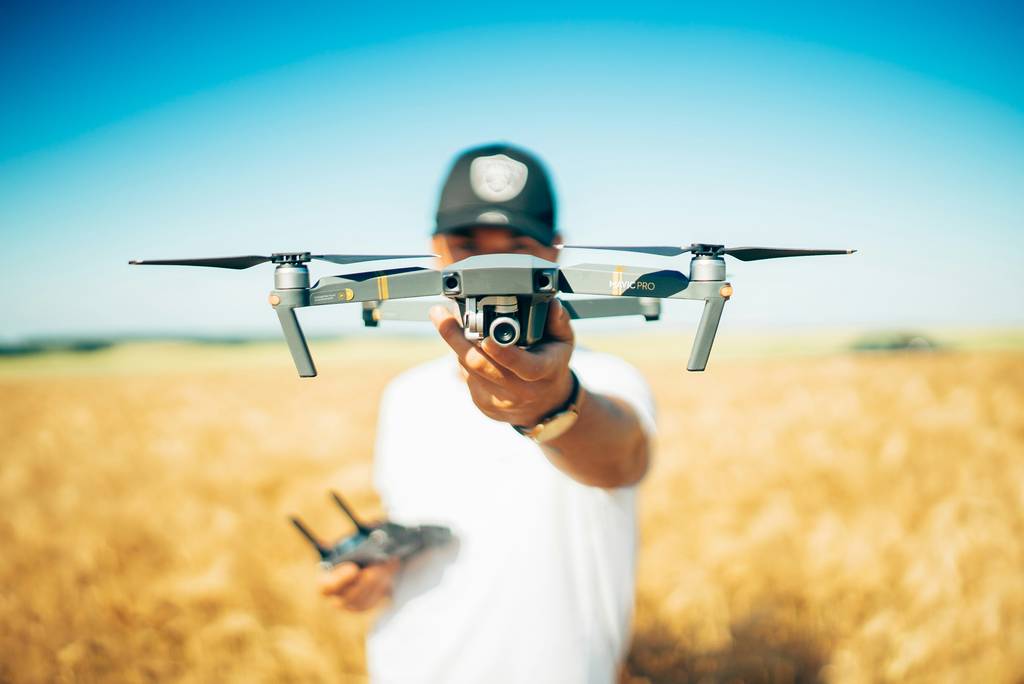
Drones for security get attention, but residential applications remain limited. Current realities:
Where drones make sense:
- Large properties (5+ acres) where fixed cameras can't cover everything
- Commercial facilities with perimeter monitoring needs
- Event-triggered deployment for investigating sensor alerts
Why most homeowners should wait:
- FAA regulations restrict autonomous flight over populated areas
- Battery life limits patrol time to 20–30 minutes
- Weather dependency (wind, rain, cold)
- Cost: $1,000–5,000+ for security-capable models
- Noise complaints from neighbors
For properties needing aerial perspective, a tall pole-mounted PTZ (pan-tilt-zoom) camera often delivers better results at lower cost and complexity. Drone tech is improving rapidly — check back in 2–3 years.
What a Realistic Budget Looks Like
For a typical 3-bedroom home:
| Component | DIY Cost | Professional Install |
|---|---|---|
| 4 outdoor cameras | $600–1,000 | $1,200–2,000 |
| Smart doorbell | $150–250 | $200–350 |
| Smart lock (2 doors) | $400–600 | $600–900 |
| 8 door/window sensors | $120–200 | $200–400 |
| 2 motion sensors | $50–80 | $100–200 |
| Hub/base station | $100–200 | included |
| Total upfront | $1,420–2,330 | $2,300–3,850 |
| Monthly monitoring (optional) | $0–30 | $20–50 |
You don't need everything at once. Start with cameras and entry sensors, then expand based on what feels vulnerable.
Common Mistakes to Avoid
Cameras pointed at neighbors' property — check local laws; you may be liable for privacy violations.
Relying on WiFi cameras without backup — when your internet goes down (or a burglar cuts it), you lose coverage. Consider at least one cellular-backup option.
Ignoring the basics — no smart system compensates for unlocked doors, hidden spare keys, or overgrown shrubs that provide cover.
Over-engineering — a system you don't understand is a system you won't use. Complexity is the enemy of consistency.
Skipping the obvious — visible alarm signs and camera housings deter more break-ins than any hidden technology. Let people know you're protected.
Making the Decision
The best security system is one you'll actually arm every time you leave. If a system requires 12 steps to activate, you'll skip it when you're running late. Prioritize:
- Ease of daily use
- Reliability over features
- Expandability as needs change
- Local support and warranty service
Start with your most vulnerable entry points, add visible deterrents, and build from there. Perfect security doesn't exist — but making your home harder to target than alternatives is entirely achievable.
About MyGpsTools Editorial Team
MyGpsTools publishes practical guides about GPS apps, maps, navigation tools, EXIF photo metadata, satellite imagery, Android Auto, Apple CarPlay, ZIP code maps, and location-based technologies. We focus on clear instructions, practical checks, official documentation, and reader feedback.